The Villa
Located between Florence and Siena, in a landscape once shaped by centuries of rivalry and war, the villa is deeply rooted in Tuscan history. While the current structure dates back to the 15th century, its origins reach as far back as the 8th century, when it was first established as a military outpost guarding this strategic borderland. The estate takes its name from the Paganelli family, an ancient Florentine lineage who gave the villa much of the form and character it retains today. At the time, the property extended across the surrounding countryside, encompassing farmhouses, woodlands, and cultivated fields. It served as both a hunting lodge and a place of retreat—designed for leisure, reflection, and the enjoyment of rural life.
Over the centuries, the villa changed hands among some of Tuscany’s most prominent families, including the Carcherelli, and the Ramirez de Montalvo, before becoming the home of the Bordoni family. Throughout its long history, it has hosted distinguished guests and preserved the quiet elegance of a residence shaped by generations—where beauty, heritage, and memory coexist in timeless harmony.
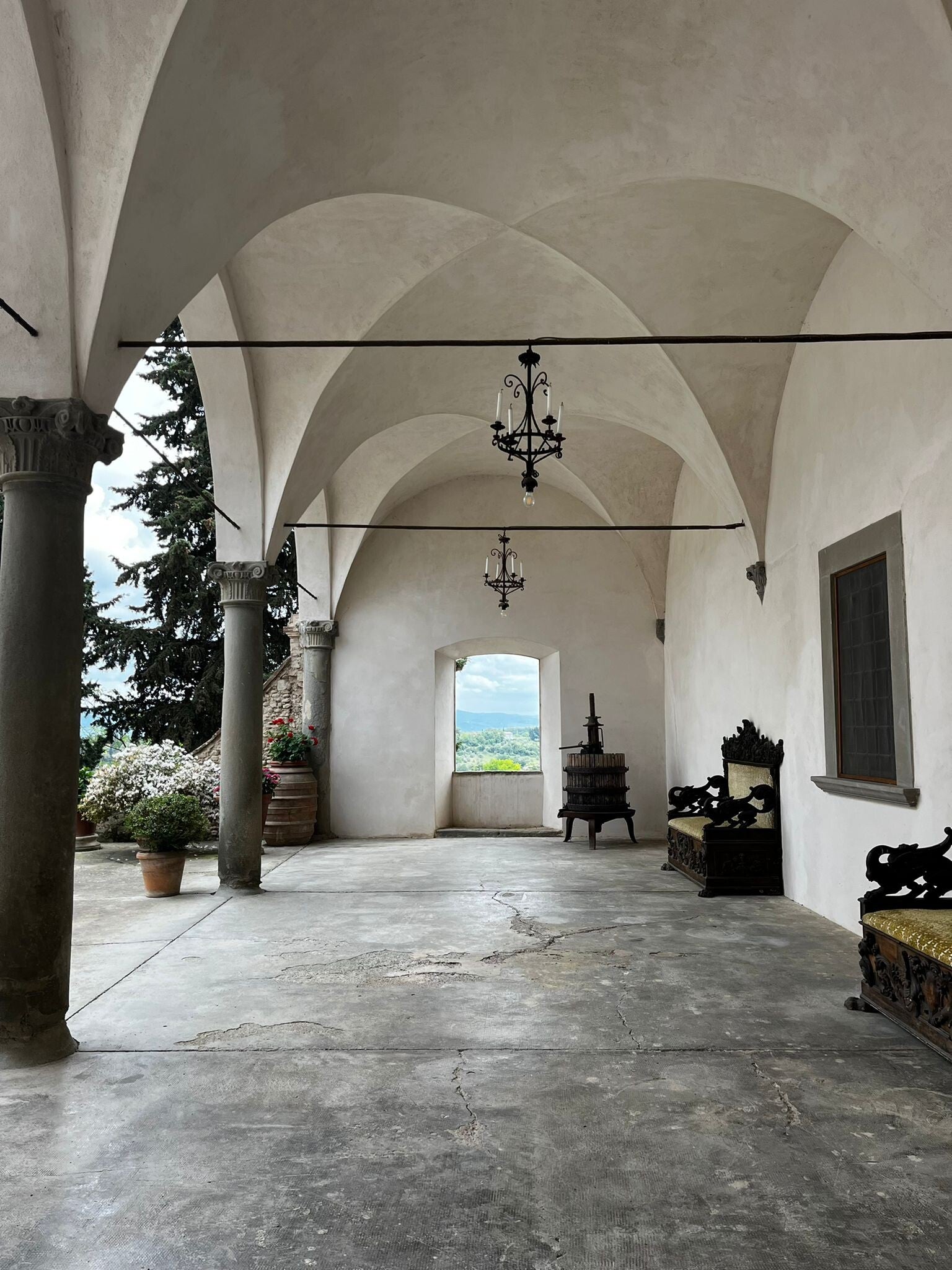
Architecture and Features
The villa is a refined expression of Renaissance architecture, combining elegance and balance with the solid presence of a country estate. At its heart lies a central courtyard, framed by arches supported by slender columns and finely carved capitals, all crowned by cross-vaulted ceilings that speak to the craftsmanship of the time. This architectural harmony continues indoors, where grand salons feature the same Renaissance-style vaulted ceilings and terracotta floors—materials and forms that root the building in the Tuscan tradition while revealing its noble character. Every detail, from the proportions of the spaces to the natural light that fills them, reflects the Renaissance ideals of beauty, order, and harmony with the surrounding landscape.
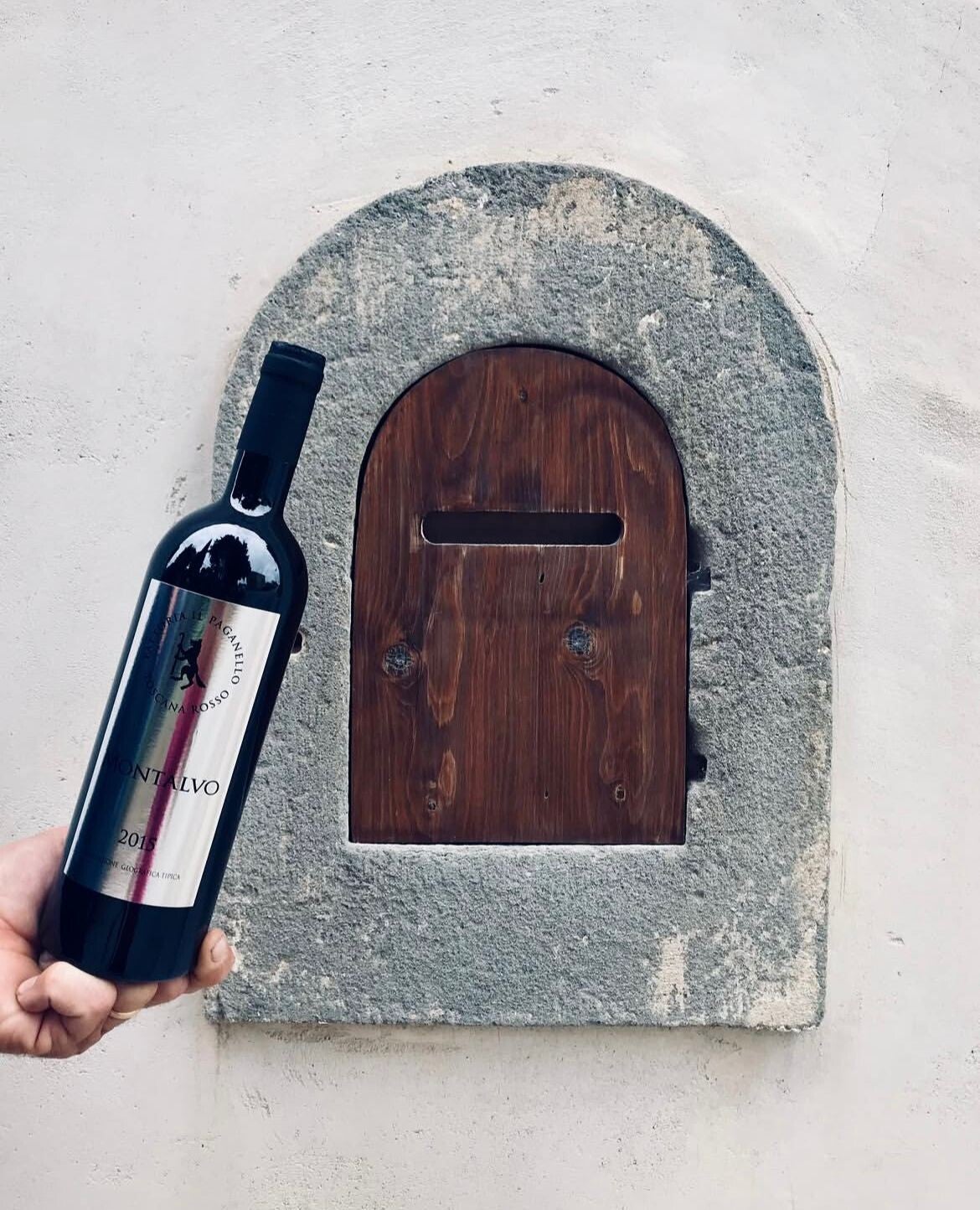
Buchetta del Vino
The buchetta del vino is a small, charming window set at street level on the facades of historic Florentine homes. Once an ingenious invention, it served as a direct portal where vintners could offer fresh wine to passersby without the need to invite them inside. This simple opening allowed for an intimate, spontaneous exchange between producer and lover of wine—a tradition deeply woven into the fabric of Tuscan life and culture. More than just a practical solution, the buchetta represented a unique social connection, fostering a sense of community and shared appreciation for the region’s beloved wines.
Over the centuries, these quaint wine windows became a common sight in Florence, quietly witnessing the daily rhythms of city life and the timeless bond between land, craft, and people. Today, however, they have become rare treasures, with only a handful of well-preserved examples remaining throughout Italy. These surviving buchette stand as poetic reminders of a bygone era, cherished symbols of Tuscany’s rich vinicultural heritage and the warm spirit of community that once thrived along its ancient, cobblestone streets.

The Chapel
The chapel was built in the 16th century, probably to replace an earlier one that once stood within the estate. It was dedicated to Saint Peter Martyr, a saint to whom the Paganelli family was particularly devoted.
The vaulted ceiling is beautifully decorated with frescoes in the grotesque style, inspired by the works of the Poccetti school.
In many country villas of the time, private chapels were an important feature. They gave the family a quiet, intimate place to pray and reflect without having to travel to the local village church—especially valuable in rural areas where churches could be far apart.
Beyond their practical use, these chapels also served the people who worked on the estate, offering them a place for spiritual life and gathering. In this way, the chapel fulfilled not only a religious function, but also a social role within the daily rhythm of the farm.
At Villa Il Paganello, the chapel remains a peaceful and meaningful part of the estate, preserving the connection between spirituality, art, and family heritage that has been cherished for centuries.

A Closer Look at the Frescoes
The frescoes adorning the vaulted ceiling of the chapel are exquisite examples of the grotesque style, characterized by intricate patterns, whimsical figures, and elaborate ornamental designs. Inspired by the Poccetti school, these frescoes blend artistic skill with symbolic meaning, creating a vibrant visual narrative that enhances the sacred atmosphere.
At the heart of the ceiling, the rose window fresco depicting the Virgin Mary serves as a spiritual centerpiece, drawing the eye upward and inviting contemplation. Each detail in the artwork reflects the craftsmanship and devotion of the artists, preserving centuries-old traditions of religious art.